Net Zero Consulting for a Zero Net Energy Future
Net zero consulting helps building owners and design teams reduce energy use, evaluate renewable energy systems, and design buildings that can produce as much energy as they consume annually. Griffin EnerG Consulting provides sustainability consulting, solar energy consulting, energy modeling, LEED consulting, and performance verification support for projects in Utah and beyond.
Start Your Project TodayA zero net building does not happen by accident. It happens when energy performance, building design, renewable energy, cost, comfort, and long-term operations are considered together from the earliest stages of a project.
Griffin EnerG Consulting provides sustainability consulting and net zero consulting for owners, developers, architects, engineers, and contractors who want buildings that perform beautifully—not just on paper, but in operation. As a Utah-based sustainability consulting company, we help project teams reduce energy demand first, then evaluate renewable energy strategies such as solar photovoltaics, solar thermal systems, geothermal systems, and other project-specific solutions.
Our work brings together energy modeling, passive design strategies, solar energy consulting, energy code compliance, certification support, and post-occupancy performance planning. The goal is simple, even when the path is technical: design a building that uses less, produces more, and gives the owner a clearer path to long-term energy and sustainability success.
What Is Net Zero Consulting?
Net zero consulting helps a project team define, design, model, and verify a building’s path toward zero net energy or related sustainability goals.
For most projects, a zero net building is designed to produce as much energy as it consumes over the course of a year. That outcome usually depends on two coordinated moves: first, reducing the building’s energy needs through smart design and efficient systems; second, using renewable energy to offset the remaining load.
Griffin EnerG Consulting helps project teams answer the questions that matter early:
Good net zero design is not a sticker placed on the building at the end. It is a compass used from the beginning.
Our Five-Step Net Zero Consulting Process
Set Project Priorities
Every successful net zero project starts with a clear conversation about priorities. We help owners and design teams align goals related to sustainability, budget, market positioning, utility costs, code compliance, incentives, certification, and long-term operations.
Some projects are driven by environmental commitments. Others are driven by operating cost reduction, resiliency, public leadership, tenant expectations, or certification requirements. Most are driven by a mix of all of the above. Our role is to help the team turn those goals into measurable performance targets.
Define the Net Zero Target
“Net zero” can mean different things depending on the project. Before modeling begins, we help define the target clearly.
That may include:
This step prevents confusion later. A clear definition keeps the project team rowing in the same direction instead of beautifully rowing in circles.
Reduce Energy Use First
The cleanest energy is the energy the building never needs. Before renewable energy systems are sized, Griffin EnerG Consulting uses energy modeling and building science to identify strategies that reduce passive and active energy consumption.
This may include improvements to:
This is where energy sustainability consulting has real financial value. Reducing energy use first can lower mechanical loads, reduce equipment sizes, improve comfort, and make renewable energy systems more cost-effective.
Produce Clean Energy
Once the building’s energy demand has been reduced, Griffin EnerG Consulting helps the project team evaluate renewable energy options to offset the remaining load.
Our solar energy consulting support may include early photovoltaic feasibility, system sizing coordination, production estimates, roof and site considerations, and integration with the project’s energy model. Depending on the project, we may also help evaluate solar thermal systems, geothermal systems, wind, battery storage, or other renewable strategies.
The goal is not simply to add solar panels. The goal is to right-size renewable energy around a building that has already been designed to use energy wisely.
Track, Verify, and Improve Performance
A zero net energy strategy is only as strong as the building’s actual performance. Griffin EnerG Consulting helps teams plan for measurement and verification so owners can understand how the building performs after occupancy.
That may include submetering recommendations, utility data review, post-occupancy reporting, performance troubleshooting, and one-year operational reviews. This final step helps close the gap between design intent and real-world results.
A building should not merely look sustainable at ribbon cutting. It should continue telling a good story when the utility bills arrive.
Passive Design Strategies: The Foundation of Net Zero Buildings
Before active technology enters the conversation, passive design does the quiet, powerful work. Passive design strategies reduce heating, cooling, and lighting loads by making the building respond intelligently to its climate, orientation, and use.
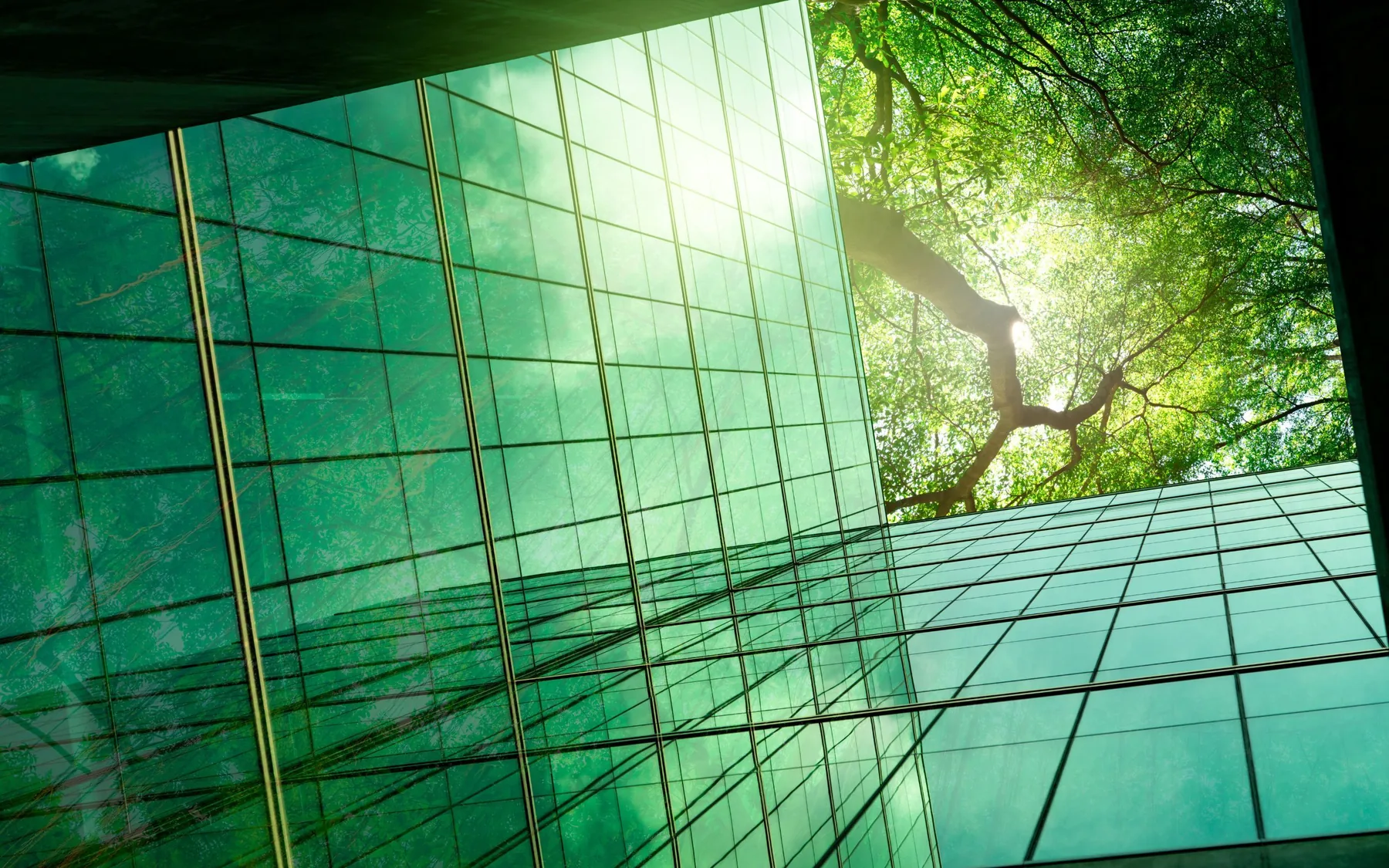
Griffin EnerG Consulting helps project teams evaluate passive strategies such as:
Optimized Building Orientation
The way a building sits on a site affects solar gain, glare, heating loads, cooling loads, daylighting, and renewable energy potential. Early orientation studies can improve performance before the project spends a dollar on equipment.
High-Performance Envelope Design
Walls, roofs, foundations, windows, doors, insulation, and air barriers all shape the building’s energy appetite. A better envelope reduces unwanted heat loss and heat gain, helping the building stay comfortable with less mechanical effort.
Natural Ventilation and Daylighting
Where appropriate, natural ventilation and daylighting strategies can reduce reliance on mechanical cooling and artificial lighting while improving the indoor experience for occupants.
Thermal Mass
Materials with thermal mass can help stabilize indoor temperatures by absorbing and releasing heat over time. Used properly, thermal mass can reduce temperature swings and support a more comfortable, efficient building.
Passive design is the part of the project that whispers. But if you listen early enough, it can save a lot of money.
Solar Energy Consulting and Renewable Energy Integration
Renewable energy works best when it is integrated into the project instead of attached as an afterthought.
Griffin EnerG Consulting helps project teams evaluate how renewable energy can support the building’s performance goals. For many projects, that starts with solar photovoltaic systems. We help teams understand the relationship between projected annual energy use, available roof or site area, solar access, utility considerations, and the renewable production needed to support a net zero target.
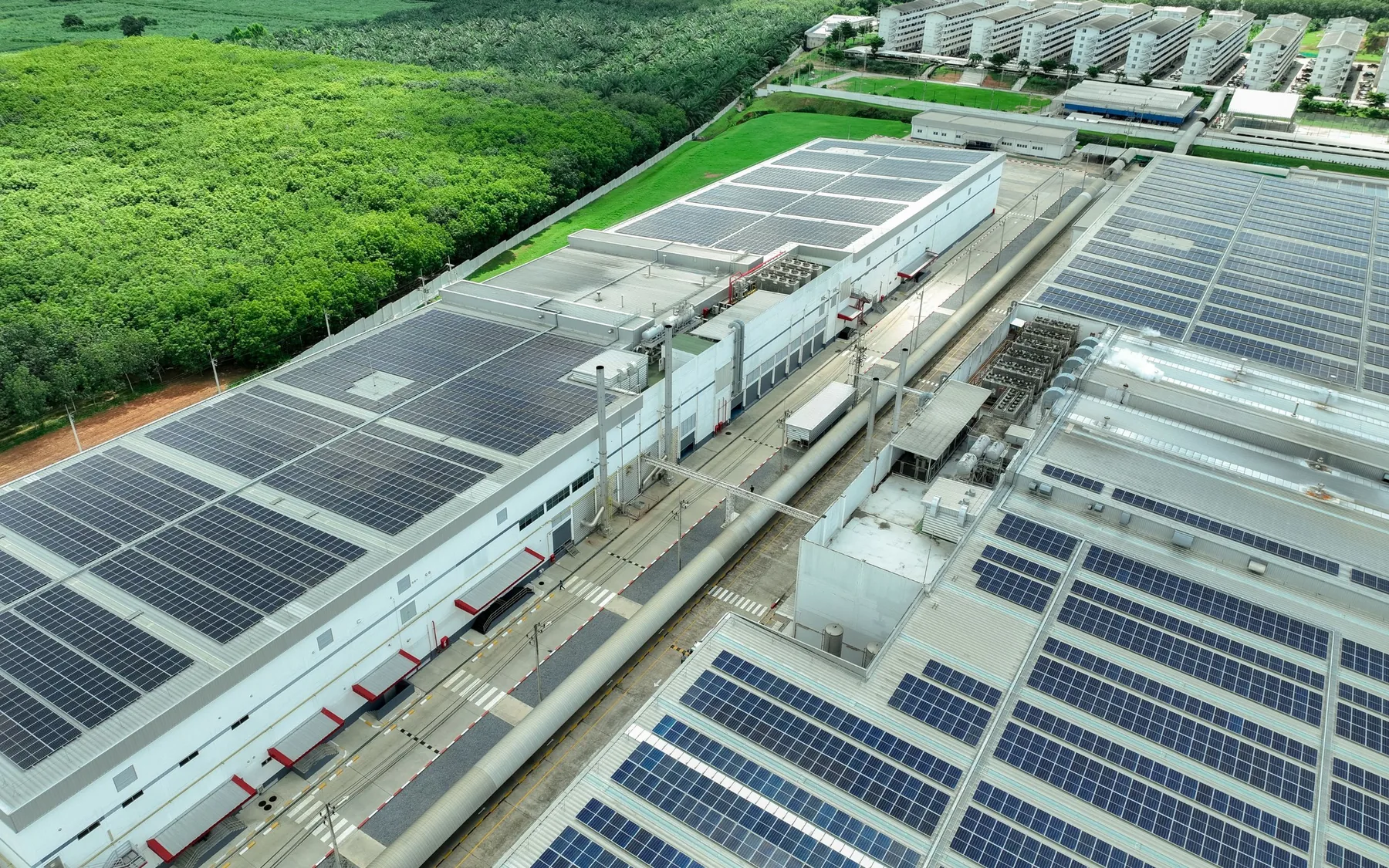
Our renewable energy consulting support may include:
As a sustainable consulting company, we believe renewable energy should serve the whole project: the budget, the design, the owner, the occupants, and the planet.
Sustainability Consulting Services That Support Net Zero Design
Net zero consulting often overlaps with broader sustainability consulting services. Griffin EnerG Consulting can support project teams through multiple connected services that help improve building performance and reduce risk.
Our related services include:
This integrated approach helps project teams avoid siloed decisions. Better buildings come from better coordination.
LEED Energy Modeling and Performance Support
For projects pursuing LEED certification, Griffin EnerG Consulting provides specialized energy-modeling and performance-focused support. We typically work alongside the project’s primary LEED consultant, sustainability consultant, or certification manager rather than replacing the broader LEED consulting role.
Our work commonly supports credits and documentation related to Minimum Energy Performance, Optimize Energy Performance, Building Life-Cycle Impact Reduction, renewable energy production, and Integrative Process analysis. Because the energy model depends on inputs from multiple disciplines, we also coordinate with mechanical, electrical, and plumbing engineers on items such as HVAC performance, lighting power, domestic hot water, and renewable energy assumptions.
This gives the LEED team reliable technical data while allowing each consultant to stay in their lane. The result is better coordination, cleaner documentation, and stronger energy-performance outcomes.
Who We Help
Griffin EnerG Consulting supports project teams across new construction and major renovation projects, including:

Our work is especially valuable when a project has ambitious energy goals, certification requirements, utility cost concerns, or a desire to make sustainability measurable instead of merely marketable.
Relevant Net Zero Experience
The most effective way of verifying the status of a net zero energy building is third-party verification. Griffin EnerG has worked on the design and operation of several NZE projects verified through a certification system — the Living Building Challenge, Green Globes, and the International Living Future Institute’s zero energy certification.
Arch | Nexus Sac
Sacramento, CA
Architectural Nexus, Inc.
Full
On-site generation
Verified
Energy modeling and post-occupancy services
David W Griffin II’s contribution predated the founding of Griffin EnerG Consulting.
Wynn South Convention Expansion
Las Vegas, NV
Three Green Globes
On/off-site generation
Pending verification
Expertise Behind the Work

David W Griffin II
Owner and Principal, Griffin EnerG Consulting LLC
David W Griffin II is trained in both architecture and building science, with a career focus on the integration of the built environment and energy-conserving systems. His background in architecture, building science, energy modeling and financial analysis helps project teams connect design decisions to measurable performance outcomes.
That expertise allows him to provide investment-grade financial analysis for new construction and existing buildings. His experience across healthcare, higher education, commercial, federal and municipal buildings qualifies him as an expert in energy conservation.
Why Choose Griffin EnerG Consulting?
Griffin EnerG Consulting combines architectural understanding, building science, energy modeling, financial analysis, and sustainability strategy. We help project teams make informed decisions that balance performance, cost, constructability, and long-term value.
We do not treat net zero as a slogan. We treat it as a design process.
From early goal-setting through energy modeling, renewable energy planning, certification support, and performance verification, our work helps teams move from aspiration to action. One building at a time, energy waste becomes opportunity. One project at a time, sustainability becomes something you can measure.
FAQs
What is a zero net building?
A zero net building is designed to produce as much energy as it consumes over the course of a year. Most zero net building strategies begin by reducing energy demand through efficient design, then offsetting the remaining energy use with renewable energy such as solar power.
When should we bring in a net zero consultant?
The best time to bring in a net zero consultant is during pre-design or schematic design. Early sustainability consulting allows the team to evaluate orientation, envelope performance, HVAC loads, renewable energy potential, and certification goals before major design decisions are locked in.
Does Griffin EnerG Consulting provide solar energy consulting?
Yes. Griffin EnerG Consulting provides solar energy consulting as part of broader net zero and sustainability consulting services. This may include solar PV feasibility, production coordination, energy model alignment, and renewable energy planning.
Does Griffin EnerG Consulting provide LEED consulting services?
Griffin EnerG Consulting provides specialized support for LEED projects, especially where energy modeling, building performance, renewable energy, and life-cycle analysis are involved. We typically work alongside the project’s primary LEED consultant rather than serving as the full-service LEED consultant.
Our support may include Minimum Energy Performance, Optimize Energy Performance, Building Life-Cycle Impact Reduction, renewable energy production inputs, domestic hot water coordination, and Integrative Process documentation.
Can Griffin EnerG Consulting work with our existing LEED consultant?
Yes. Griffin EnerG Consulting frequently works as a technical partner to owners, architects, engineers, sustainability consultants, and LEED consultants. Our role is to provide the energy modeling, performance analysis, and technical documentation needed to support the broader certification effort.
How does LEED support relate to net zero consulting?
Net zero consulting and LEED certification often overlap. The same energy model used to evaluate a zero net building can also support LEED energy performance documentation, renewable energy calculations, domestic hot water assumptions, and early design analysis. This helps the team make one coordinated set of decisions instead of duplicating effort.
Is net zero realistic for commercial or multifamily buildings?
Yes, but it requires early planning. Commercial and multifamily buildings often need coordinated strategies for envelope performance, HVAC efficiency, lighting, plug loads, domestic hot water, renewable energy, and ongoing performance tracking.
What is the difference between net zero energy and net zero carbon?
Net zero energy focuses on balancing annual energy consumption with renewable energy production. Net zero carbon focuses on reducing or offsetting the greenhouse gas emissions associated with building energy use. The right target depends on the owner’s goals, project type, location, utility mix, and certification path.