

Life Cycle Cost Analysis (LCCA)
Making informed decisions about your building project requires a comprehensive understanding of costs — not just upfront expenses, but long-term financial implications. Life Cycle Cost Analysis (LCCA) provides that crucial insight, helping you optimize your investment and maximize returns.
What is Life Cycle Cost Analysis (LCCA)
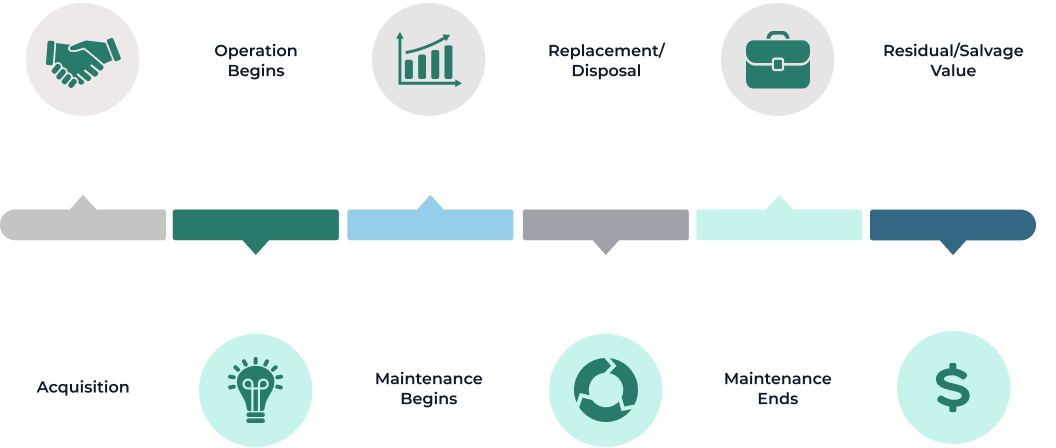
LCCA is a method for evaluating the total cost of building ownership over its entire lifespan. It goes beyond initial construction costs to include factors like:
Initial Costs
Upfront design, materials, and construction costs to get the building built.
Financing Cost (if applicable)
Interest and financing charges carried over the life of any project loan.
Operational Costs
Projected expenses related to operating the building, such as water usage, waste disposal, and staffing.
Maintenance and Repairs
Anticipated expenses for ongoing maintenance and future repairs.
Replacement Costs
Estimated costs for replacing building components like roofs, HVAC systems, and windows.
Residual Value
The estimated value of the building at the end of its useful life.
Disposal Costs
End-of-life costs to decommission, demolish, and remove the building or its components.
Benefits of LCCA
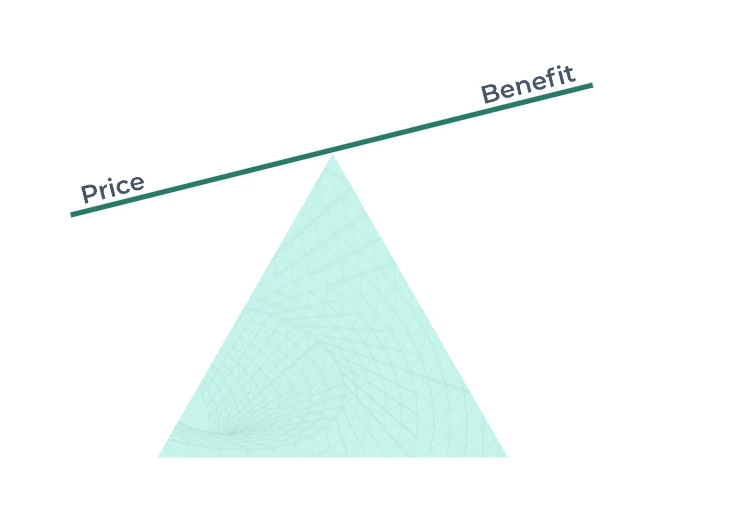
LCCA empowers building owners and developers to make strategic decisions that yield long-term value. By considering the full spectrum of costs, you can achieve significant financial and operational advantages.
Informed Decision-Making
LCCA provides a clear picture of long-term costs, enabling you to make data-driven decisions about design, materials, and systems.
Cost Optimization
Identify cost-saving opportunities by comparing design options and building systems.
Risk Mitigation
Anticipate and plan for future expenses, reducing financial uncertainty.
Improved Sustainability
LCCA encourages the selection of energy-efficient and durable materials, promoting sustainable building practices.
Enhanced Value
Increase the overall value of your building by optimizing performance and minimizing long-term costs.
Our LCCA Process
A Life Cycle Cost Analysis involves a systematic evaluation of all potential costs associated with a building project. This multi-step process provides a holistic view of the investment, from initial design to eventual demolition and replacement.
- 01
Define Project Scope
Establish the goals, objectives, and boundaries of the analysis.
- 02
Identify Alternatives
Explore different design options and building systems.
- 03
Determine Costs
Estimate initial construction costs, operating costs, maintenance costs, and replacement costs/timeline for each alternative.
- 04
Analyze Results
Compare the life cycle costs of each alternative using appropriate metrics and discount rates.
- 05
Make Recommendations
Select the most cost-effective and sustainable option based on the LCCA results.
Partner with Griffin EnerG Consulting
Griffin EnerG Consulting specializes in conducting comprehensive Life Cycle Cost Analyses for building projects. Our expertise helps you make informed decisions, optimize your investment, and achieve your long-term financial and sustainability goals.
Contact us today to learn more about how LCCA can benefit your project.